Intelligent Warehouses:
A New Era in Logistics Management.
By Marketing | 22 Nov 2024 |
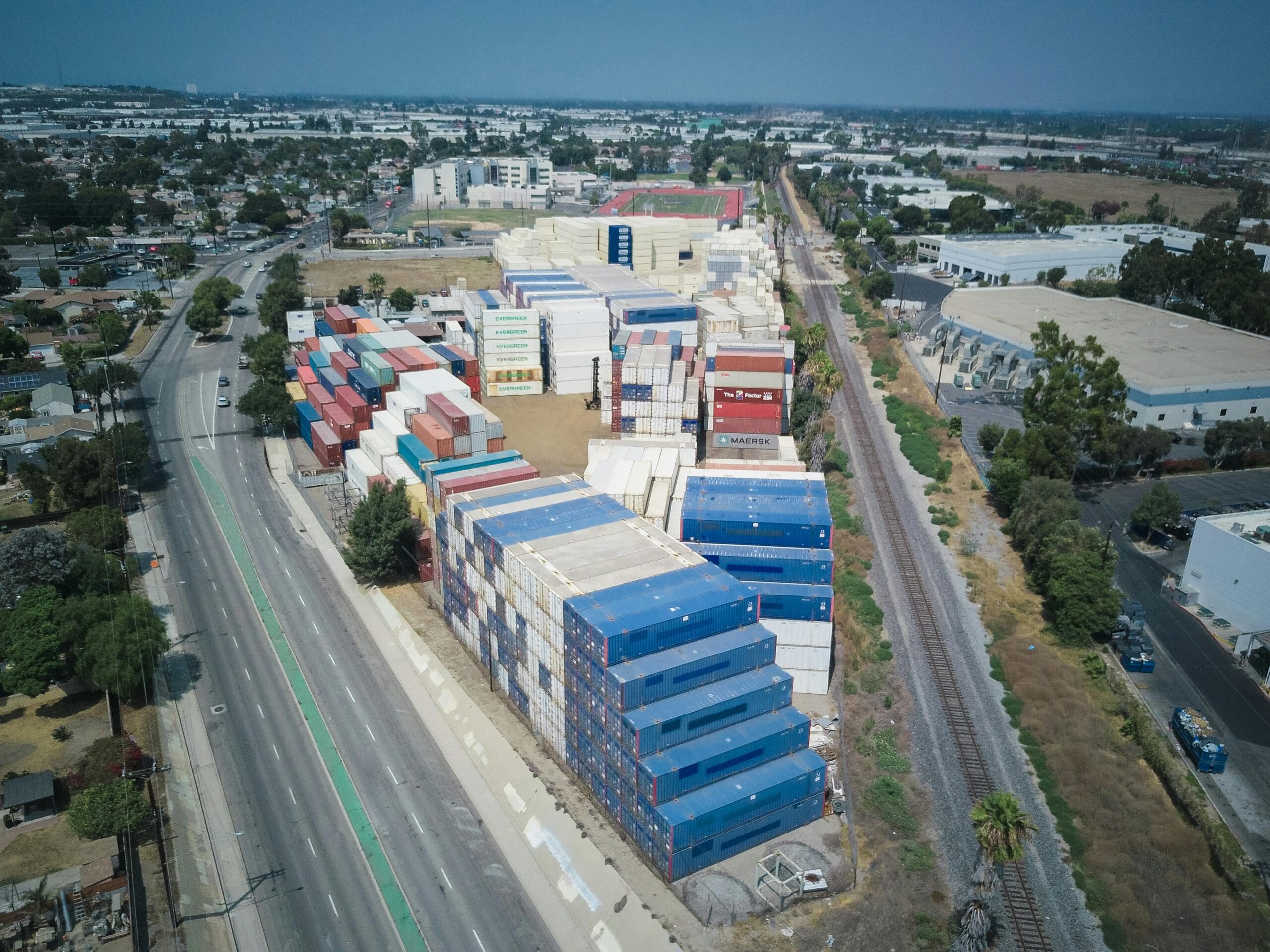
Smart warehouses represent a fundamental evolution in inventory management and logistics operations. By incorporating advanced technologies such as artificial intelligence (AI), robotic automation and the Internet of Things (IoT), these warehouses optimize every aspect of the supply chain, providing significant competitive advantages.
Main Characteristics of Intelligent Warehouses
Total Automation:
From receiving to distribution, robots and autonomous machinery perform tasks faster and more accurately.
Real Time Monitoring:
Sensors and RFID tags allow inventory to be tracked at every stage, reducing errors and increasing transparency.
Space Optimization:
Algorithms analyze data to maximize storage capacity.
Sustainability:
Reduced energy consumption and waste minimization, promoting greener operations.
Adaptability:
Ability to respond quickly to changes in demand, making them ideal for dynamic markets.
Benefits for International Trade
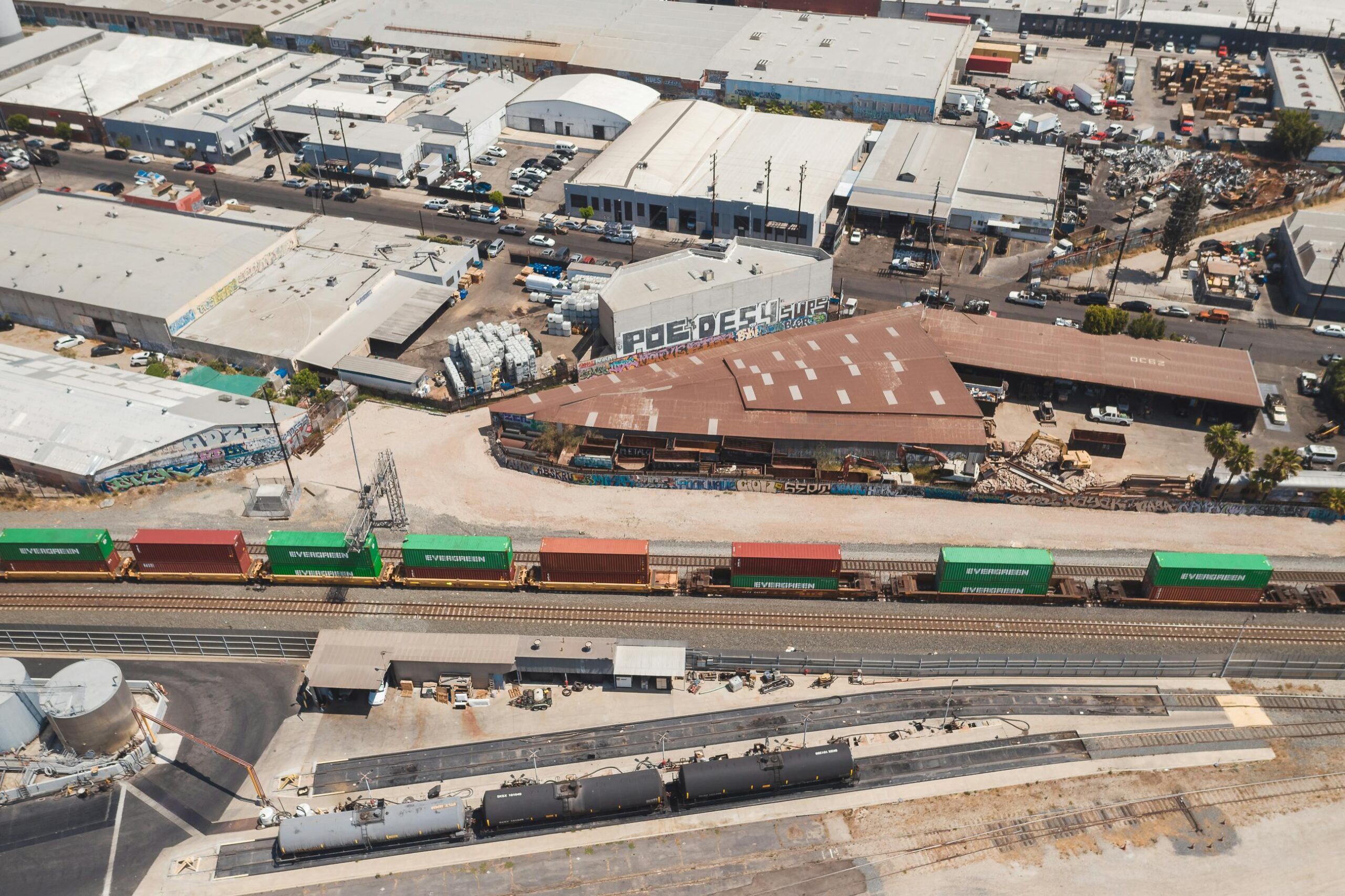
In global trade, where delivery times and traceability are crucial, smart warehouses stand out for:
- Time and Cost Reduction: Faster and more efficient operations decrease product life cycle.
- Regulatory Compliance: Facilitates alignment with international quality and safety standards.
- Increased Competitiveness: Improved customer service and responsiveness strengthen the company’s position in international markets.
Spirit for All: Pioneers in Intelligent Logistics
Spirit for All leads the implementation of intelligent warehouse technologies in Mexico, integrating these solutions into its operations and offering its customers unique benefits:
Personalized Management:
Solutions tailored to the specific needs of each customer.
Strategic Infrastructure:
Intelligent warehousing centers connected to key trade routes.
Impact on Key Sectors
Smart warehouses are essential in industries such as:
- Pharmaceuticals: Ensuring optimal conditions for medicines and vaccines.
- Automotive: Facilitate the management of complex parts and components.
- Food and Beverages: Ensures freshness and compliance with international sanitary standards.
Conclusion
The transition to smart warehousing is not just a trend, but a strategic necessity in an increasingly demanding logistics world. Companies like Spirit for All are at the forefront, helping organizations adopt these technologies to maximize their efficiency and competitiveness.